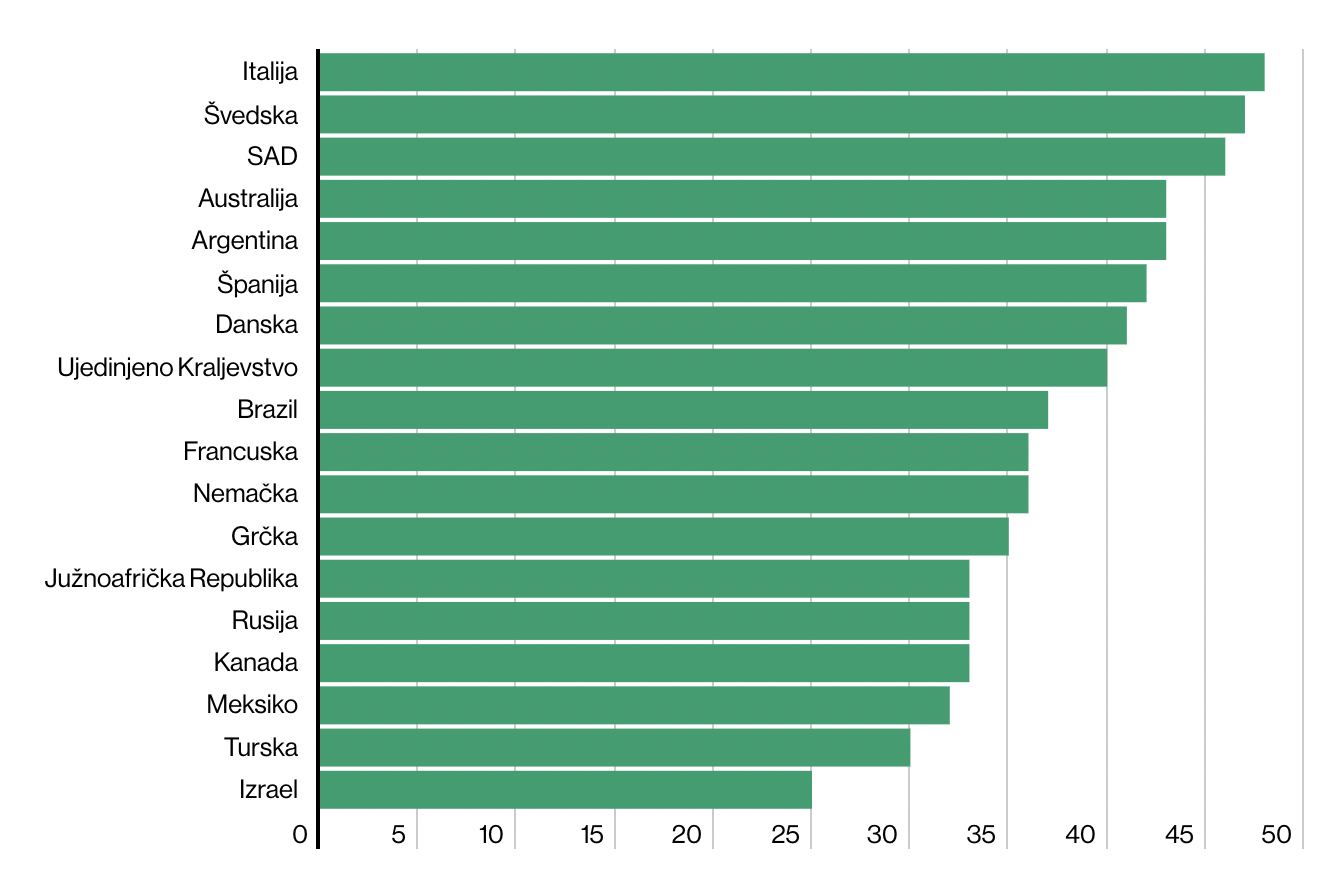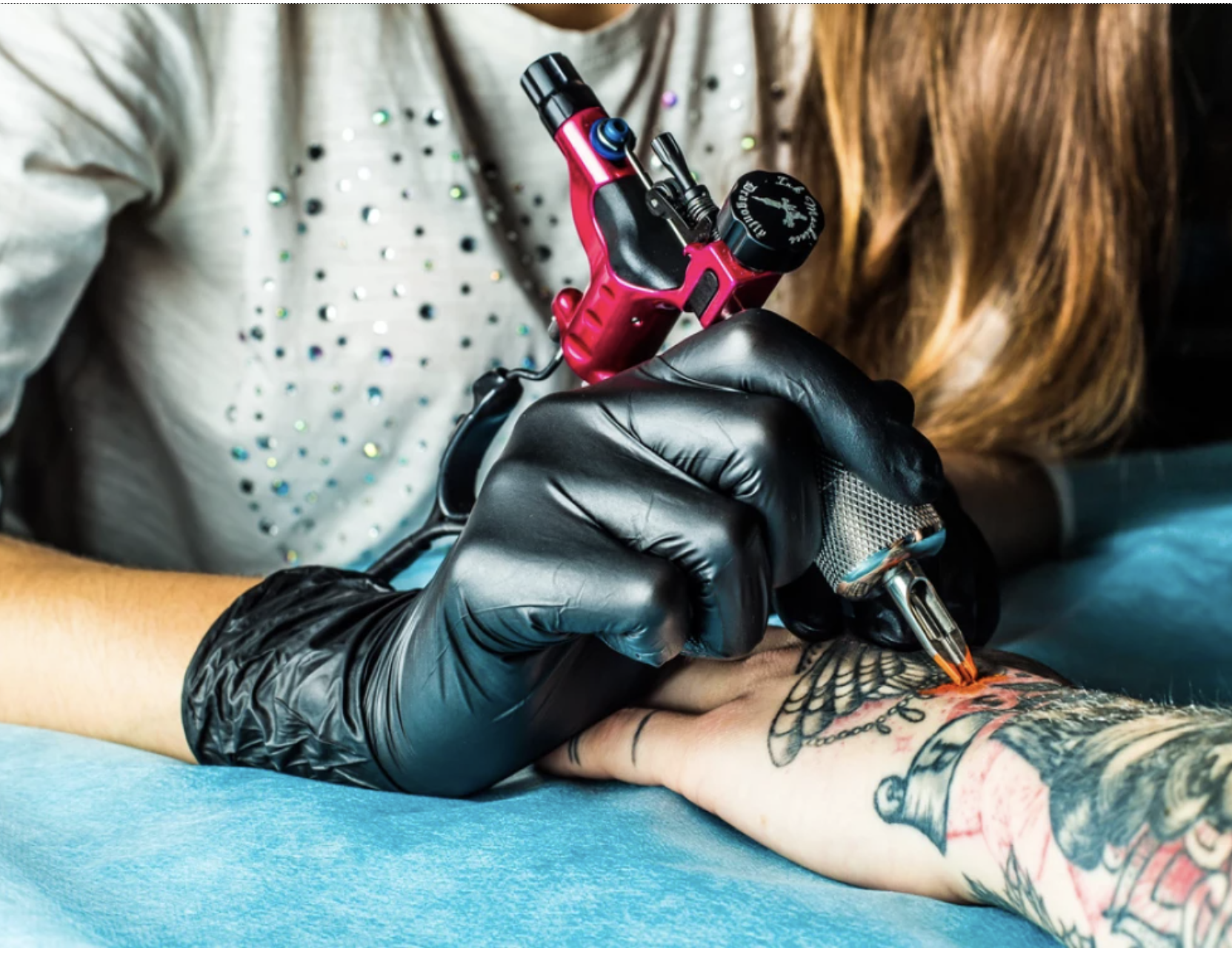
As tattoos continue to evolve, they are no longer just a form of self-expression but a rapidly growing segment of the luxury and lifestyle industries, driving innovation and attracting investment. Tattoo artists are often earning more than traditional fine artists, while their work is also inspiring trends in fashion, entertainment, and other creative fields. With its continued rise in popularity, tattooing has transformed from a marginalized subculture to an influential and lucrative global industry
Ishan Rana, a tattoo artist from Vadodara, India, made headlines last year by setting a Guinness World Record for tattooing 74 tattoos on 64 people over a staggering 91 hours. In line with this rising trend, brands like Mad Rabbit, a U.S.-based natural tattoo aftercare company, attracted a $4 million investment in 2022 to expand its reach. Similarly, Ephemeral, another U.S. tattoo brand, raised $20 million in just four months after its launch in the same year. These investments signal that tattooing is no longer a niche hobby but a rapidly growing global industry.
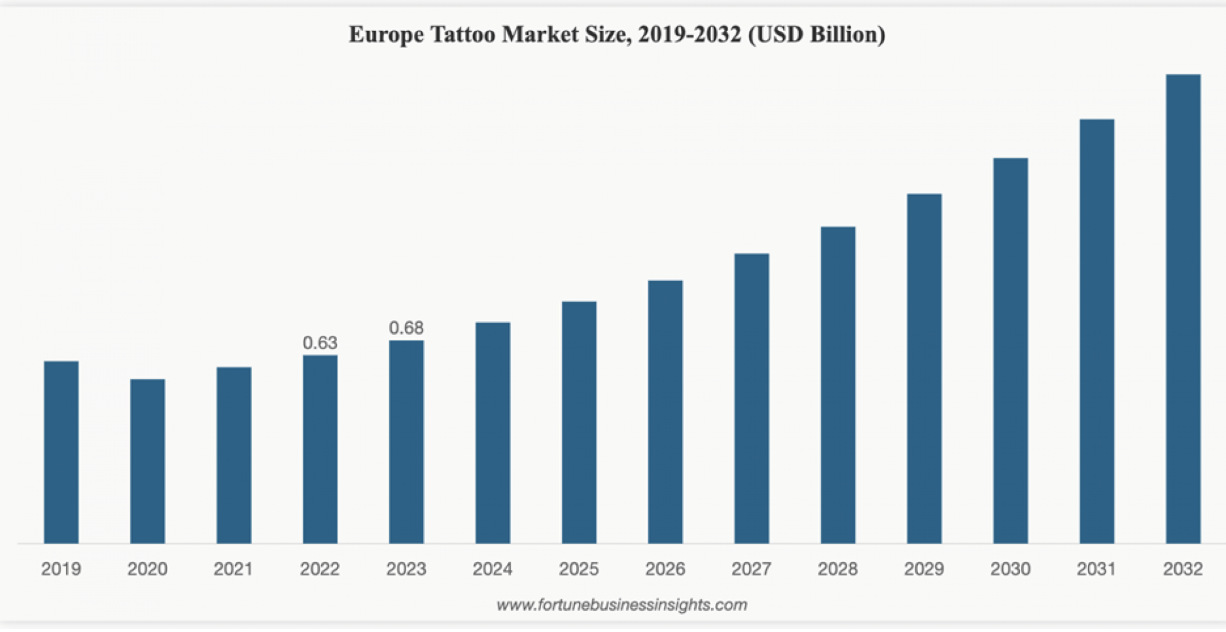
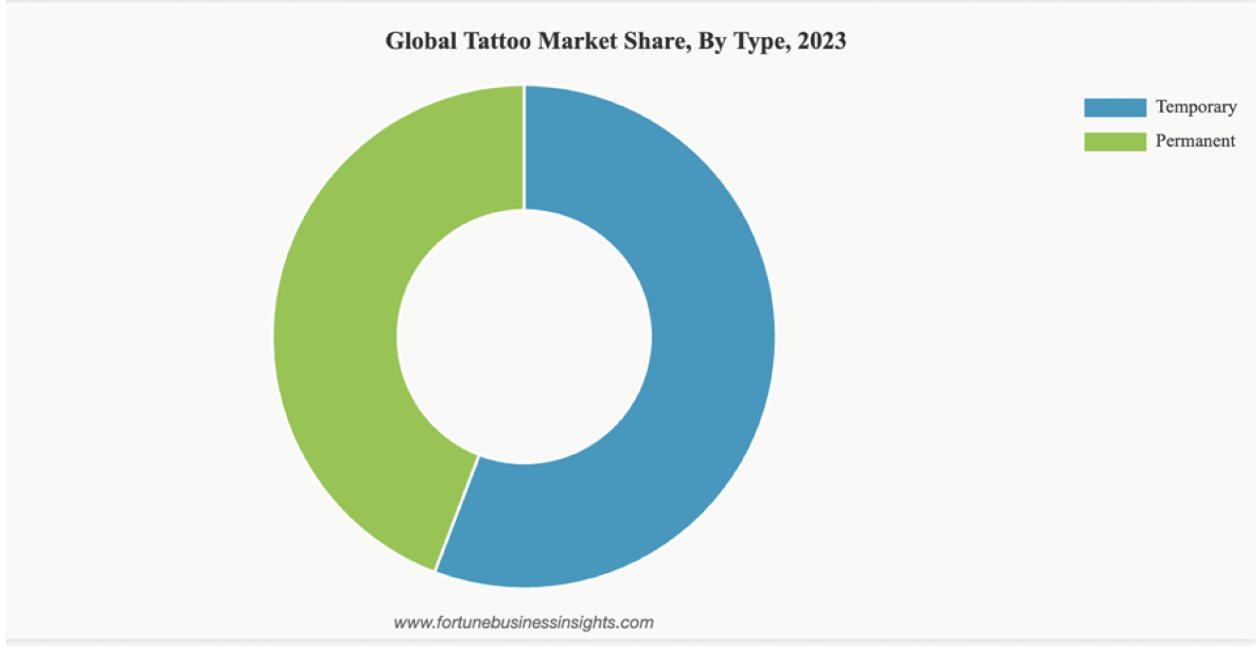
While the pandemic temporarily stunted growth, the tattoo market has bounced back significantly in the past decade. Valued at $2.03 billion in 2023, the market is expected to expand at a 10.2% compound annual growth rate (CAGR) through 2032. Europe is currently leading the charge, accounting for over a third of the global market share.
Despite the general slowdown in luxury, tattooing continues to thrive. To better understand this phenomenon, we spoke with Ana Mijović, a tattoo artist who,after working in Shoreditch and Camden, now owns her own studio in the up-and-coming Dalston area of East London.
Mijović explains that while technological advances have certainly impacted the industry, hand-poked tattoos remain highly valued for their artisanal quality and the skill required to execute them.
She highlights several artists who have risen to prominence thanks to social media platforms like Instagram, including Adam Sage, Inal Bersekov, Mattia Calvi, and Yann Black. These artists, known for their signature styles, have amassed loyal followings, and securing an appointment with them can take years. “Online visibility has done wonders for tattoo artists, allowing them to showcase their art and attract people seeking unique designs," she explains.
Technological innovation, too, has played a significant role in tattooing’s growth. “With advancements in tattoo equipment and high-quality pigments, the process is safer, more precise, and less painful for clients," says Mijović. "Laser tattoo removal has further fuelled growth by giving people the option to modify or remove tattoos." Today, tattoo artists use a single device to achieve effects that once required multiple machines.
The growing demand for vegan-friendly products in all sectors is also impacting the tattoo world. “People are more concerned about the harmful effects of chemical-based inks and are seeking natural alternatives,” says Mijović. Younger generations, who prioritise experiences over material goods, are increasingly choosing tattoos as a way to mark important milestones in their lives, further expanding the market.
Tattoos influence the Travel Industry
Mijović notes that tattoos have become a reason for people to travel long distances, to destinations such as South Korea, Thailand, or Japan, to get inked by renowned artists like Horiyoshi or Zimoon. Many tattoo conventions and pop-ups are held in high-demand cities, drawing both artists and tattoo enthusiasts from around the world.
The emotional significance of tattoos continues to grow as well. People now often choose tattoos to commemorate important events, such as anniversaries or personal milestones. “More and more clients are seeking tattoos that reflect their individual life experiences,” Mijović adds.
Cultural tattoos, like the mandala, continue to be popular for their spiritual significance. Originally from Buddhism, mandalas symbolize sacred concepts and are used as a tool for meditation and self-reflection. The trend of mandala tattoos has spread across Asia and the West, with people traveling to countries like India and Japan to get inked with these meaningful designs.
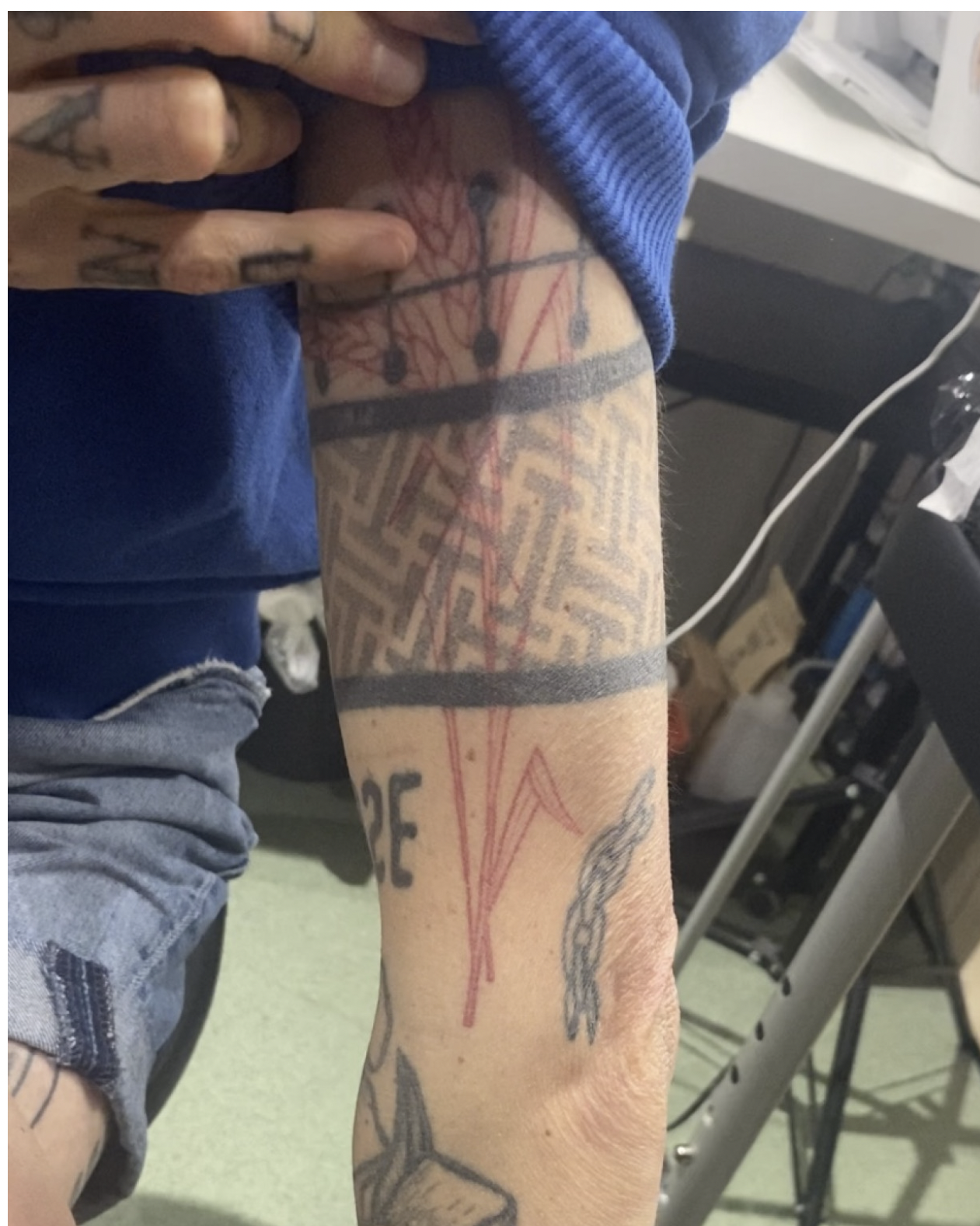
Mijović also mentions the rise of “Croatian tribal tattoos,” which were used by Christian Croatian women during the Ottoman era as a form of protection. These tattoos served as symbols of their faith and heritage, a reminder of their origin if they were captured and forced to convert to Islam.
Tattoo Pricing and the Growing Influence of Celebrity Artists
Tattoo prices vary widely, with factors such as size, complexity, and position on the body influencing costs. Larger pieces require more time and skill, and tattoos placed on sensitive areas like the face or hands can command a premium. However, pricing isn’t always determined by size alone.
For instance, the most expensive tattoo ever created was valued at $924,000. Instead of ink, it featured 612 Shimansky Ideal Cut diamonds glued to a model’s body. High-profile tattoo artists, such as Scott Campbell and Joaquin Ganga, charge substantial fees for their work, with Campbell earning $2,000 for the first hour and Ganga charging up to $100,000 per day for his team of artists.
Some tattoo artists have become celebrities in their own right. Ami James, the owner of Love Hate Tattoo Studio in Miami, is known for his work on TV shows like Miami Ink and NY Ink. With over 30 years of experience, James specializes in Japanese-style tattoos and has an estimated net worth of $5.1 million.
Tattoo culture has also inspired other creative fields. Japanese tattooing, for example, has influenced books, films, and even fashion. Don Ed Hardy, one of the most famous tattoo artists in the world, popularized modern tattoo styles and built a fashion empire around them. This year, Iconix acquired Hardy’s brand, Ed Hardy, with a $55 million investment, signalling the continued intersection between tattoos and mainstream fashion.
Tattoo-inspired fashion, aftercare products, and removal services are just a few examples of the broader impact of tattoo culture on the lifestyle and luxury sectors. However, Mijović maintains that the artistic value of permanent tattoos remains unparalleled.
Tattoos That Last Beyond a Lifetime
The longevity of tattoos is another factor contributing to their increasing value. Tattoos, unlike other art forms, often outlast the human body. This has led to the rise of companies offering innovative ways to preserve tattooed skin after death. One such company, Save My Ink Forever, provides museum-quality, UV-protected framed art pieces made from the skin of deceased loved ones, with prices starting at $1,700 per tattoo. Full-body art can cost as much as $100,000.
The practice of preserving tattoos has led to legal discussions about the inheritance of tattoo art. In 2018, the National Association for the Preservation of Skin Art in the UK advocated for the legal recognition of tattoos as a form of art that can be passed down like any other valuable piece.
"The principle of common law is that the human body cannot be owned, so a person cannot dispose of their body or parts of it through a will," explains the website of one of the legal advisors working on this issue. Therefore, while the gifting of tattoos may not yet be legally regulated, it doesn't prevent families from preserving a loved one's body part in this way.