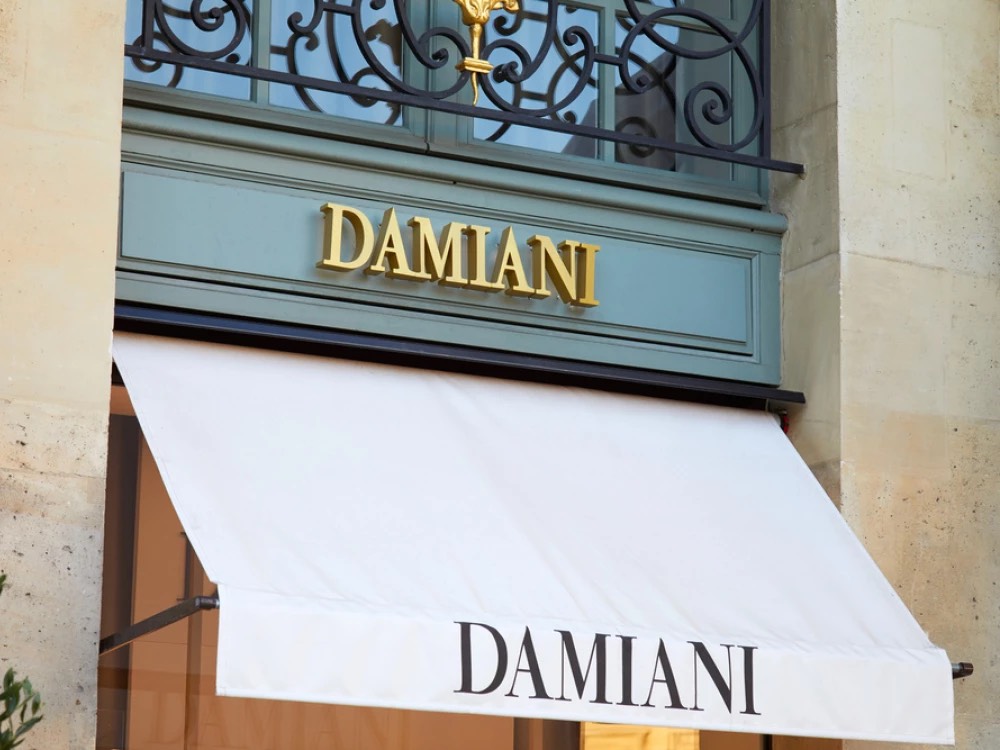
While many major brands hesitate over strategic shifts amid tariff uncertainty and a global industry slowdown, Damiani is expanding its international network. The Italian jewelry house is leaning on what it knows best: family heritage, authenticity and master craftsmanship.
With more than 50 boutiques worldwide—from Milan to Tokyo and London to Dubai—Damiani maintains a firmly global identity. Alongside its own stores, it is represented in prestigious department stores and multibrand retailers, while placing particular emphasis on partnerships with local jewelers. A collaboration with North Macedonia’s Božinovski Jewellery & Watches brought Silvia Damiani, executive director and co-owner of the group, to Skopje, where we met for an exclusive interview.
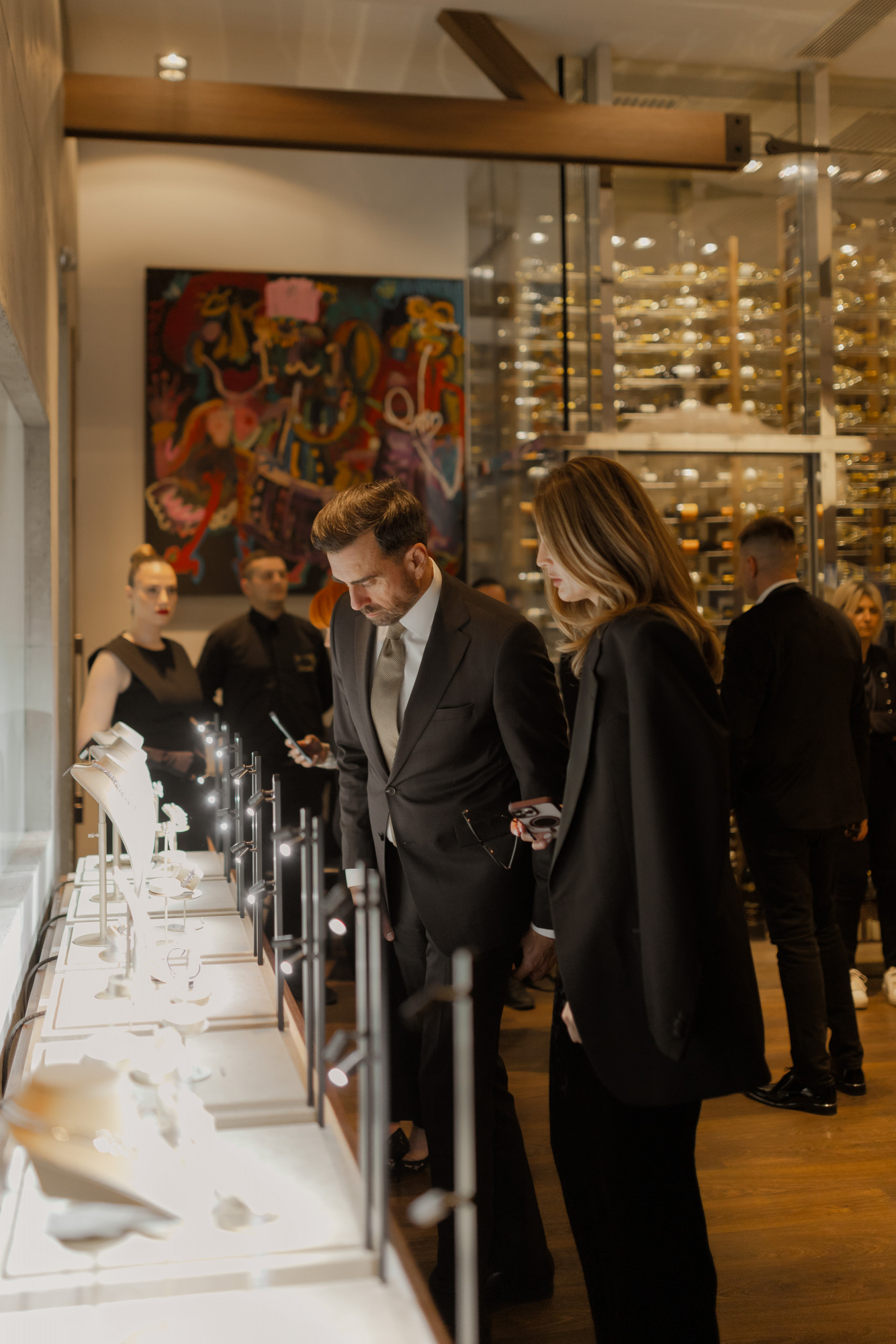
Still firmly controlled by its founding family, the Italian jeweler celebrated its centenary last year. Its return to private ownership gave the family greater control over the company’s strategic direction. Damiani announced its initial public offering in 2007, when the company was valued at €150.8 million.
The company was an early mover in Asian markets. In 2012, it formed a joint venture with China’s MingFung/Hengdeli group. That same year, it became the first European jeweler to hold a majority stake in an Indian company, Damiani India.
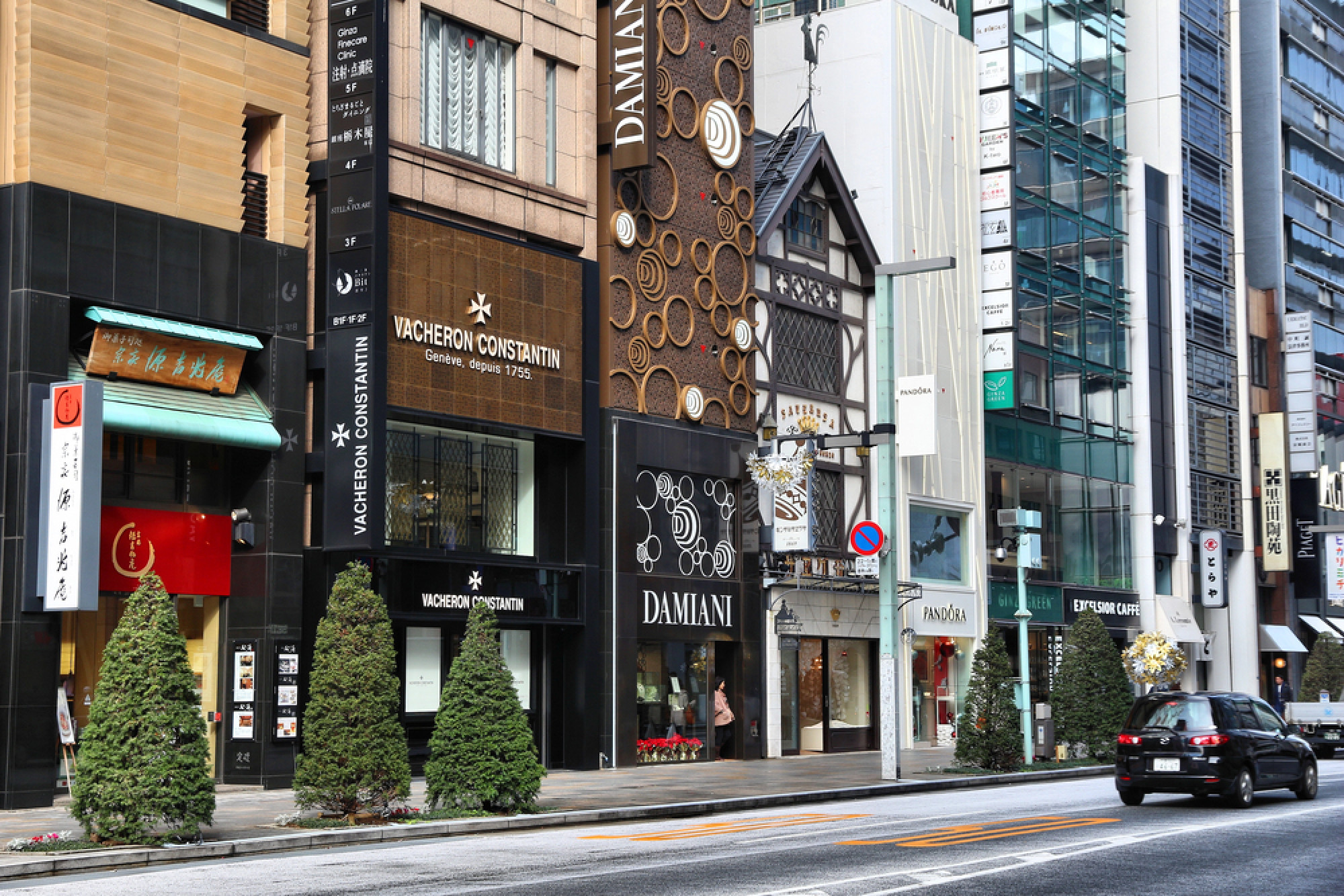
Prices range from about €1,000 for entry-level collections to more than €300,000 for one-of-a-kind pieces made from 18-karat yellow, white and rose gold, platinum, diamonds, sapphires, emeralds and rubies. Every piece is handmade in Valenza, the historic center of Italian jewelry-making, where skills pass from one generation to the next and where, Silvia says, the brand’s DNA resides.
“For me, heritage is a living legacy—a combination of values, passion and craftsmanship passed down through generations. It is not simply about preserving the past, but also about vision,” she says.
That legacy began in 1924, when her grandfather, Enrico Grassi Damiani, made jewelry for aristocratic families. Her parents, Damiano and Gabriella, took the brand beyond Italy. After her father’s death in 1996, Silvia and her brothers, Guido and Giorgio Grassi Damiani, continued to expand its retail network and international business.
“I think the reason we have remained competitive for a century is that we have always stayed true to ourselves. The family character of the brand has ensured that from the very beginning,” she says.
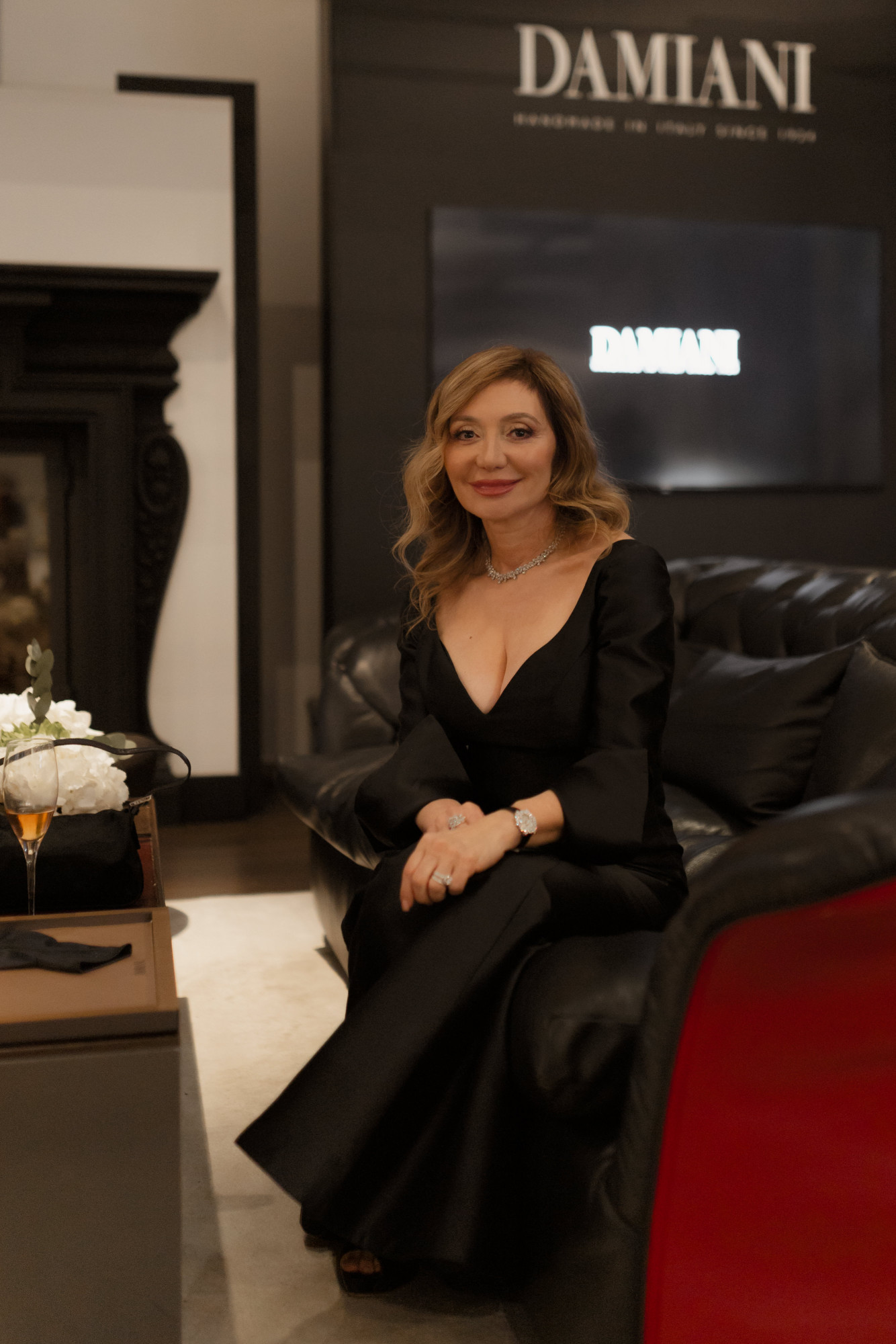
Luxury, According to Silvia: Lasting Quality, Not Spectacle
For Silvia Damiani, success is measured not only in commercial results, but also in the depth of the relationship with customers. Luxury, she says, is no longer simply a status symbol or a trophy. It is becoming a matter of values—and emotional value in particular. Younger generations ask searching questions, looking for a combination of tradition and innovation, craftsmanship and ethics, timeless design and personal meaning.
“Customers today want more than beauty. They seek meaning, transparency and values that align with their own. For them, luxury is not just status, but a statement of identity and intention,” she says. She sees opportunity in that shift: authentic storytelling, distinctive design and transparency, without compromising on quality. “This new dialogue is inspiring. It encourages us to evolve while remaining true to ourselves.”
Italian Design and Craftsmanship, With a Global Reach
Asked what makes Italian design so compelling, Silvia’s answer is clear: not spectacle, but enduring quality.
“True luxury is not loud. It is discreet, timeless and personal. It lies in the hands of our artisans, in the stories behind each piece and in the values we nurture as a family house.”
Alongside craftsmanship, she sees time as luxury’s most dependable currency. “Time invested in excellence, heritage and relationships—that is what gives our jewelry its true, lasting value.”
Damiani has also built global recognition through carefully chosen collaborations with famous names, including Isabella Rossellini, Sophia Loren, Gwyneth Paltrow, Sharon Stone and Brad Pitt. Pitt even designed a wedding ring for the house. After a $50 million dispute brought by Pitt and his then-wife Jennifer Aniston, the actor reconciled with the brand and launched a joint collection of wedding rings and jewelry, further strengthening its position in the US market.
Another high-profile moment was the creation of Victoria’s Secret’s Fantasy Bra in 2009. Made from 18-karat gold, it was set with 2,355 diamonds weighing a total of 150 carats, including a 16-carat, heart-shaped champagne diamond. The house has also made jewelry for films such as The Twilight Saga.
Film and art remain important sources of inspiration. Among the collections Silvia singles out are Belle Époque, inspired by film frames and featuring a dynamic cross; Margherita, a design by her grandfather inspired by Queen Margherita of Savoy; and the romantic Mimosa, whose three-dimensional effect is created through a technique described as “visible chaos.”

Damiani Group holds an unbeaten record of 18 Diamonds International Awards—the prestigious international prizes often called the jewelry industry’s Oscars. Its portfolio extends beyond the Damiani name. In 2008, the group acquired Italian jewelry and watch retailer Rocca S.p.A. for €7 million.
Calderoni joined the group in 2006 and became Calderoni Diamonds in 2019, specializing in the selection and sale of diamonds. Salvini combines tradition and modernity, with an emphasis on Italian luxury and quality.
Alfieri & St. John specializes in men’s jewelry and accessories, while Bliss targets younger buyers and trendsetters. Distribution in Japan through BGioielli Ltd. adds to the group’s international reach.
What comes next? Silvia expects luxury to extend beyond the object itself, placing still greater emphasis on its story, craftsmanship and value. “We are building a future in which luxury is not only desirable, but also conscious and purposeful,” she says.