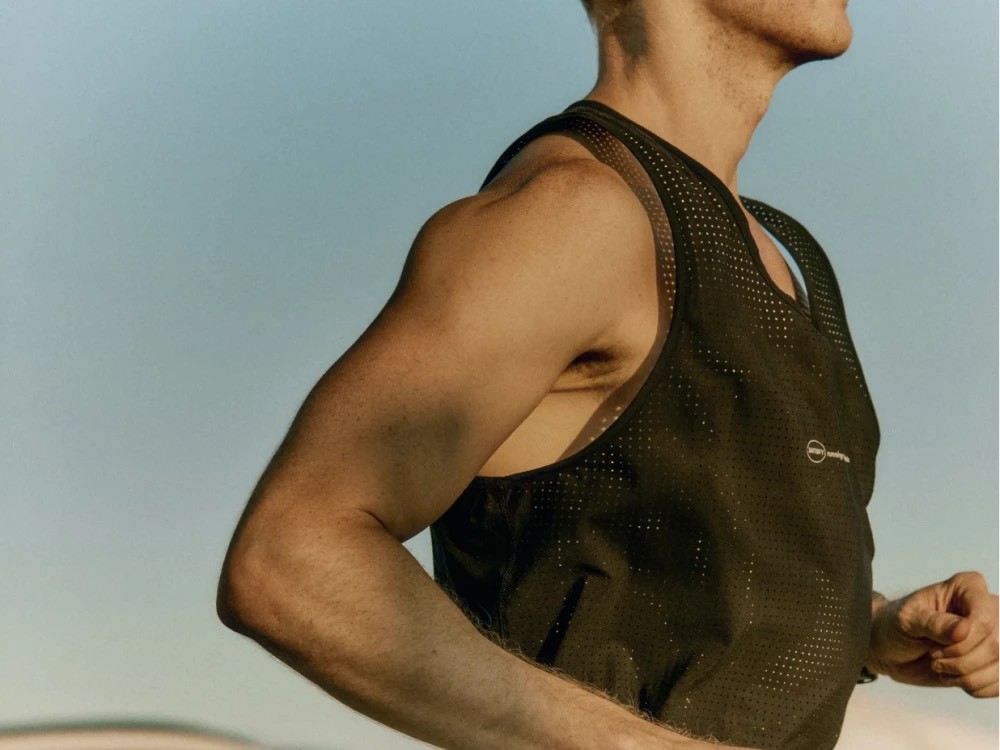
In theory, you need very little to run: a pair of shoes, a route and enough determination to keep going. No membership fees, expensive equipment or dedicated infrastructure. You can start almost anywhere. Provided, that is, you have the will.
Yet behind this simplest form of recreation lies much more than the ten companies leading the global athletic-footwear market and generating tens of billions of euros in combined revenue.
Shoes that can withstand the miles no longer seem to be enough. Runners choose technologies, materials, designs, colors and brands—and, increasingly, a sense of belonging to a running community. Some are willing to pay hundreds of euros for individual pieces of kit, even when a much cheaper alternative would serve the same basic purpose.
Running is becoming more than a sport: a market selling performance alongside status, aesthetics, exclusivity and identity. The question is no longer simply what good shoes cost, but how much the entire running lifestyle will set you back.
Nike Still Dominates
The biggest players still control most of the global athletic-footwear market. Despite a 10 percent decline in revenue from the previous year, 2024, according to company reports, Nike remains on top with annual revenue of just over €40 billion. The US manufacturer retains a commanding lead through a combination of sporting performance, global marketing and a powerful influence on popular culture.
Best-Selling Footwear Brands
| Rank | Brand | Country | Sales (€bn) |
|---|---|---|---|
| 1 | Nike | US | 40.12 |
| 2 | Adidas | Germany | 25.56 |
| 3 | Anta Sports | China | 9.54 |
| 4 | Skechers | US | 8.31 |
| 5 | New Balance | US | 7.22 |
| 6 | Puma | Germany | 7.05 |
| 7 | Deckers (HOKA, UGG) | US | 4.73 |
| 8 | Asics | Japan | 3.56 |
| 9 | Crocs | US | 3.48 |
| 10 | Vans (VF Corp) | US | 2.22 |
Source: Company reports; Companies Market Cap.
Germany's Adidas follows with roughly €25.5 billion in revenue. Although far behind Nike, it has strengths of its own: deep roots in football and a strong position in sports fashion, using retro models and streetwear to attract younger consumers.
Skechers, New Balance and Puma generate €8.3 billion, €7.2 billion and €7.1 billion respectively. But company size tells us less and less about who is shaping running's future as a category.
The stock market also shows that scale is no longer the only currency. Despite a share-price decline of as much as 30 percent from 2024, Nike leads here too, with a market capitalization of about €53.5 billion, ahead of Adidas at €28.7 billion. Asics ranks third at €19.4 billion, even though its €3.56 billion in sales places it eighth in the revenue table. Fourth is Deckers Brands, owner of HOKA and UGG, valued at about €11.5 billion. With much smaller revenues than the sporting giants, these companies nevertheless command valuations that reflect investors' faith in the future growth of specialist and premium brands.
Revenue and Share-Price Performance
| Rank | Brand | 2024 revenue (€bn) | 2025 revenue (€bn) | Change (€bn) | Revenue change (%) | Share-price change (%) |
|---|---|---|---|---|---|---|
| 1 | Nike | 44.60 | 40.12 | (4.48) | (10.0%) | (30.0%) |
| 2 | Adidas | 23.68 | 25.56 | 1.88 | 7.9% | 5.0% |
| 3 | Anta Sports | 8.63 | 9.54 | 0.91 | 10.5% | 15.0% |
| 4 | Skechers | 7.35 | 8.31 | 0.96 | 13.1% | 30.0% |
| 5 | New Balance | 6.30 | 7.22 | 0.92 | 14.6% | Not available |
| 6 | Puma | 8.60 | 7.05 | (1.55) | (18.0%) | (60.0%) |
| 7 | Deckers (HOKA, UGG) | 4.30 | 4.73 | 0.43 | 10.0% | (20.0%) |
| 8 | Asics | 3.15 | 3.56 | 0.41 | 13.0% | 25.0% |
| 9 | Crocs | 3.79 | 3.48 | (0.31) | (8.2%) | (35.0%) |
| 10 | Vans (VF Corp) | 2.55 | 2.22 | (0.33) | (12.9%) | (25.0%) |
The Long-Distance Players
Source: Company reports; Companies Market Cap. Figures and comparisons are reproduced from the original article.
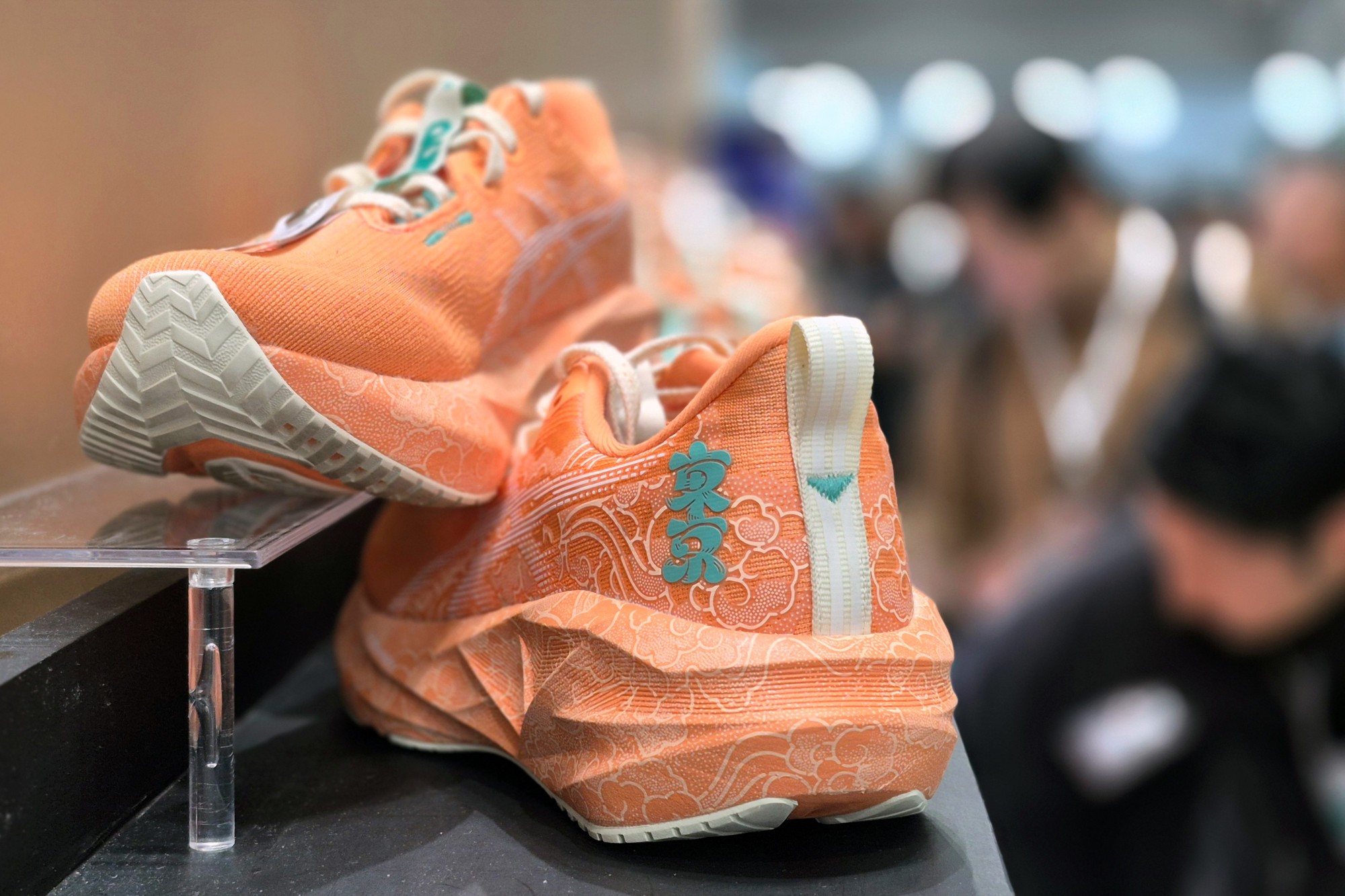
Why? Specialist brands are finding it easier to persuade runners that a good product is worth paying more for. Asics is a case in point: its premium models are, on average, 15 to 25 percent more expensive than Nike's. Price is not its only distinction. The Japanese manufacturer has retained credibility among serious runners through a longstanding focus on science and biomechanics. At its Institute of Sport Science in Kobe, researchers study how footwear affects movement, physical loading and performance. Advanced materials and cushioning systems are designed to withstand high mileage. One of its best-known models, the Asics Gel Nimbus, has earned a reputation as the 'king of comfort.' Its substantial sole and PureGEL technology are designed to soften the impact of every landing—one reason some runners are willing to pay €130 to €200.
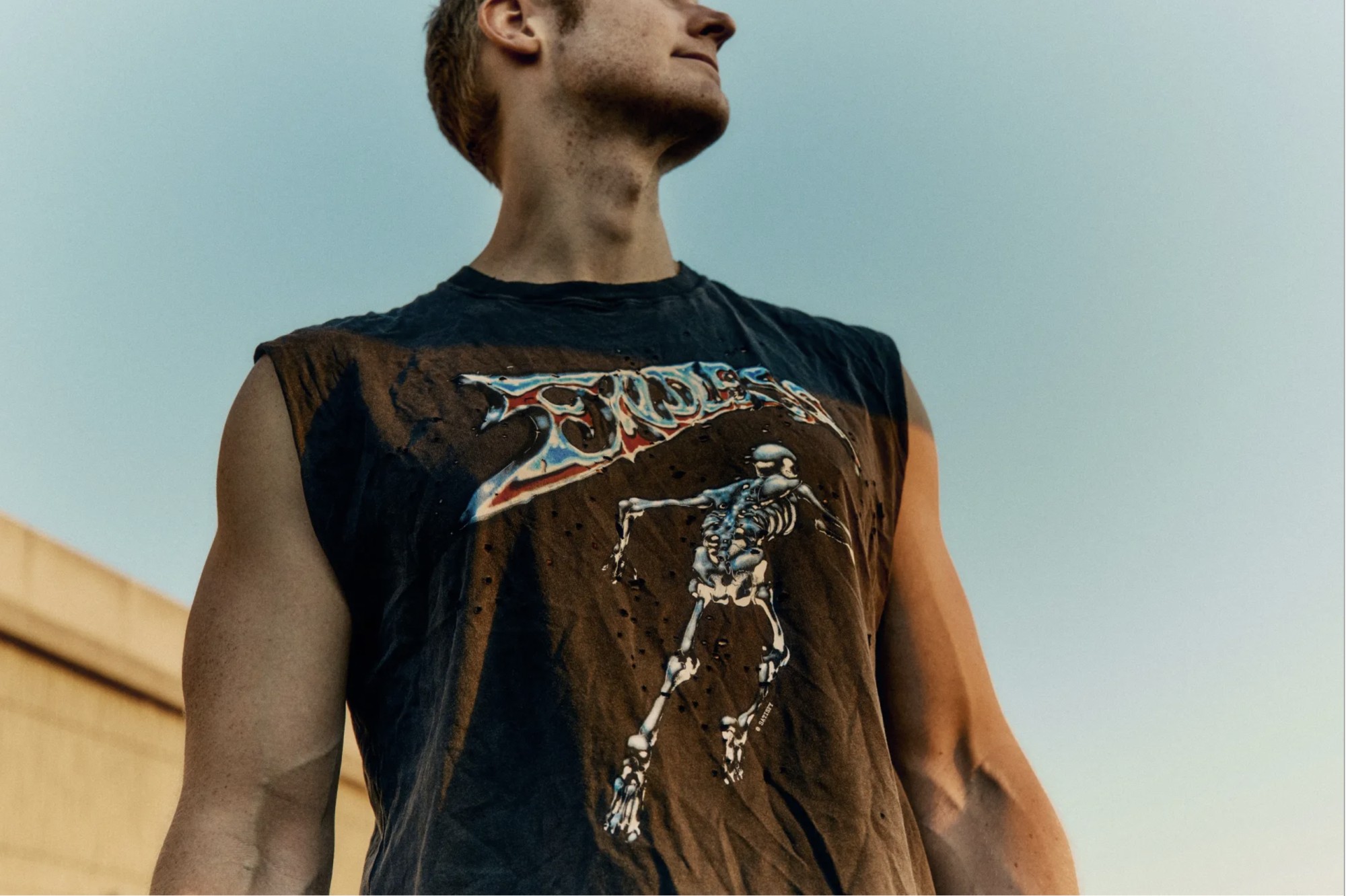
Meanwhile, smaller, innovative brands are attempting something much harder for large corporations: building the feeling of an exclusive club. The clearest shift is in clothing and accessories. Satisfy sells shorts for about €170 and publishes a magazine for devoted runners. Founded in 2015, it also offers shoes costing as much as twice those of major players, with prices starting at €280.
Buying Into the Club
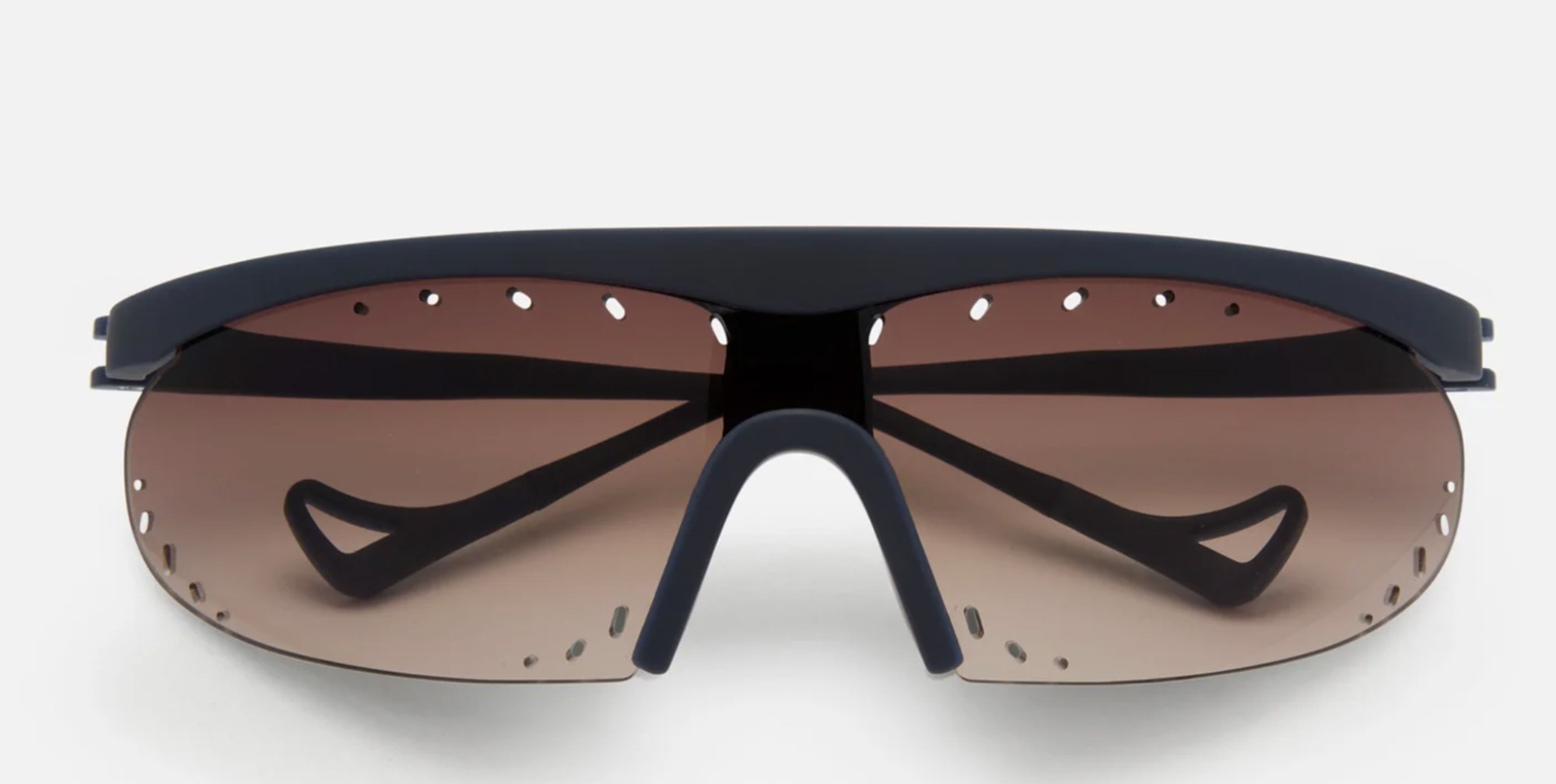
District Vision's lenses were developed in Japan specifically to reduce eye strain associated with physical exertion. The company researches how vision and visual comfort can affect athletic performance. It has also developed what it describes as the world's first technology integrating prescription correction directly into a single shield lens, rather than attaching or bonding separate corrective lenses to it. Dedicated runners are willing to pay: prices start at around €300, if you can find a pair. They are often sold out.
Bandit Running sounds almost like a statement of intent. The brand, focused exclusively on running apparel and equipment, behaves like a market outlaw, taking business from sporting giants by offering not just products but a sense of exclusive community. Membership costs €65 a year and includes discounts and benefits linked to partner brands.
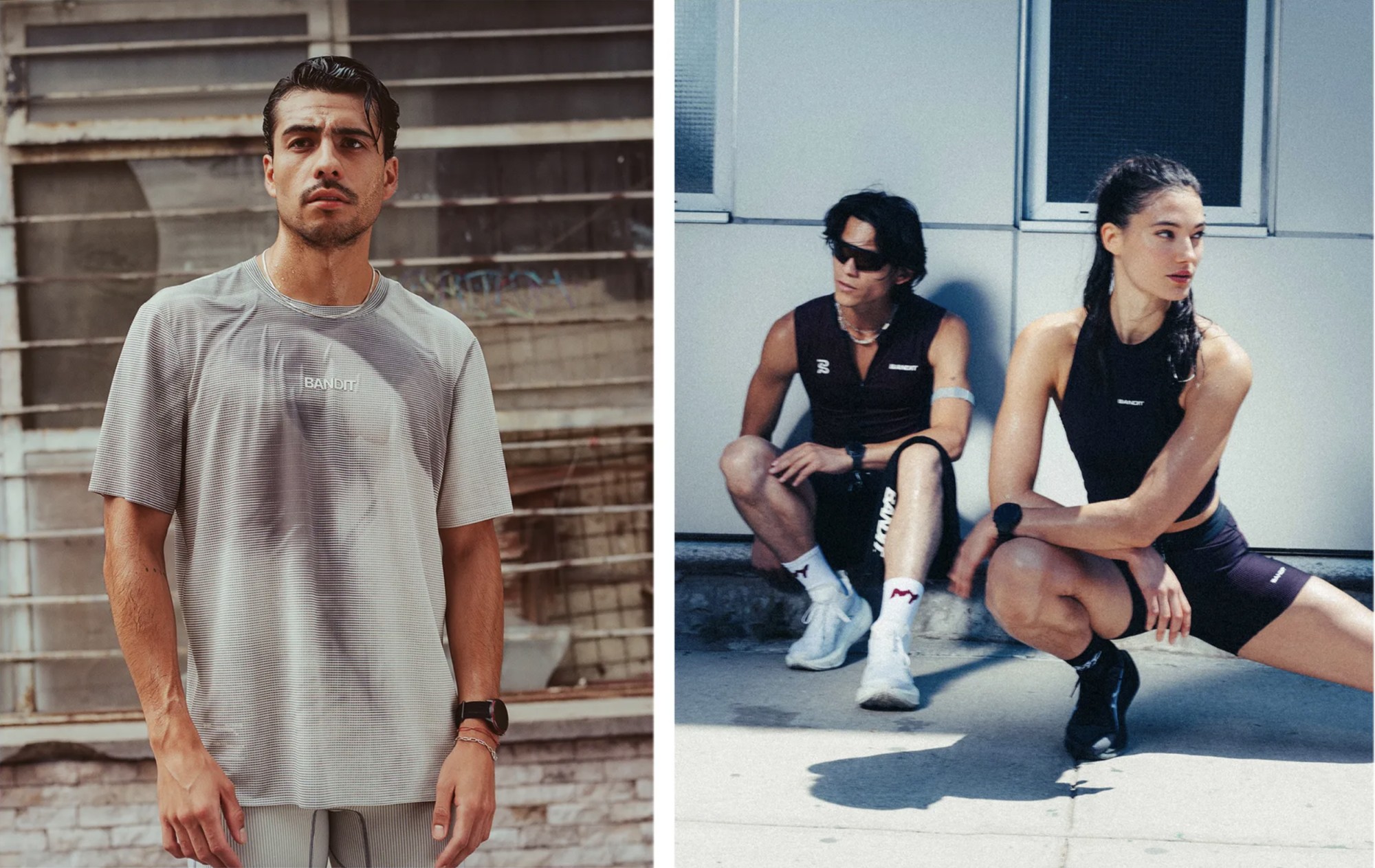
Since Bandit does not make shoes, its partner in that category is Asics. It is hardly surprising that it chose the Japanese brand to complement its arsenal. Online orders qualify for free worldwide shipping when spending reaches $200—a threshold that looks easy to meet when even socks start at $30.
For the running-obsessed, there is also Possessed, a publication by Satisfy, priced at €23.

Another major disruptor is HOKA, founded in the French Alps in 2009 with a simple idea: create a shoe that would let runners descend faster and with less strain.
The result was far removed from the prevailing minimalist approach. HOKA introduced a bulkier silhouette and exceptionally thick cushioning, attracting ultramarathon runners first and then a much wider audience. It now contributes a substantial share of Deckers Brands' €4.7 billion in revenue. The company recorded sales growth of 10 percent from the previous year and ranks seventh among the top ten.

As founders Jean-Luc Diard and Nicolas Mermoud explain, the paradox is that HOKA did not set out to change an entire industry, but to solve a specific problem. 'Radical change often comes from trying to solve a simple problem. Our original goal was to improve endurance-race times by making a shoe that allowed faster downhill running. In trying to achieve that, we unintentionally reinvented the running shoe.' That effort produced a product that changed how the industry thinks about cushioning, comfort and design. HOKA's running shoes cost between €130 and €300.
A Large, Increasingly Fragmented Market
Such prices would once have been hard to imagine for traditional athletic footwear. In the new running economy, they follow a different logic.
Consumers are not paying for function alone. They pay for aesthetics, limited availability, brand reputation and membership of a particular group. That creates a problem for Nike and Adidas.
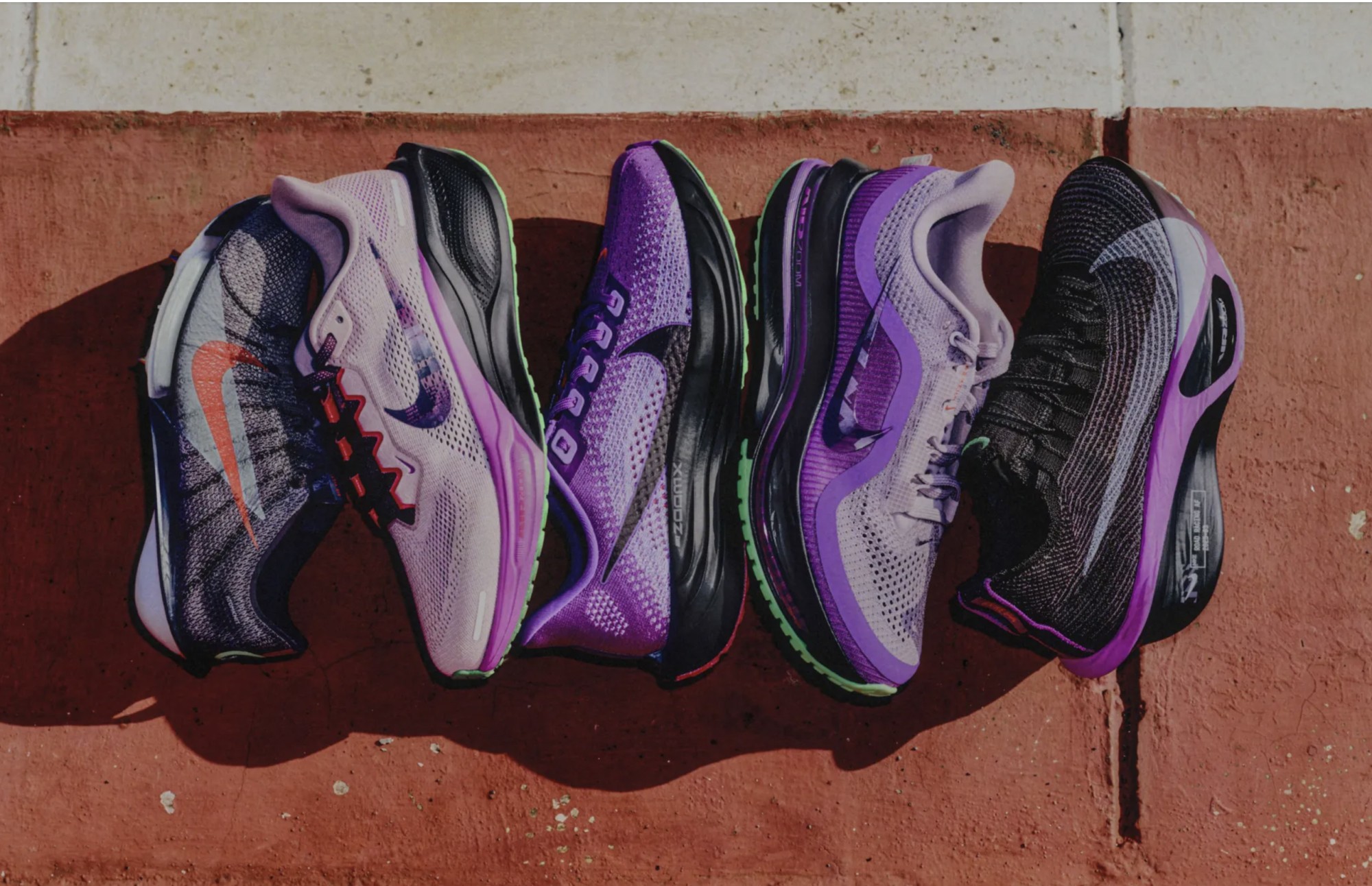
Their greatest advantage is scale: vast production, distribution and marketing operations, and global recognition. Yet that very size makes it difficult to create the sense that a product was made for a small, specific community.
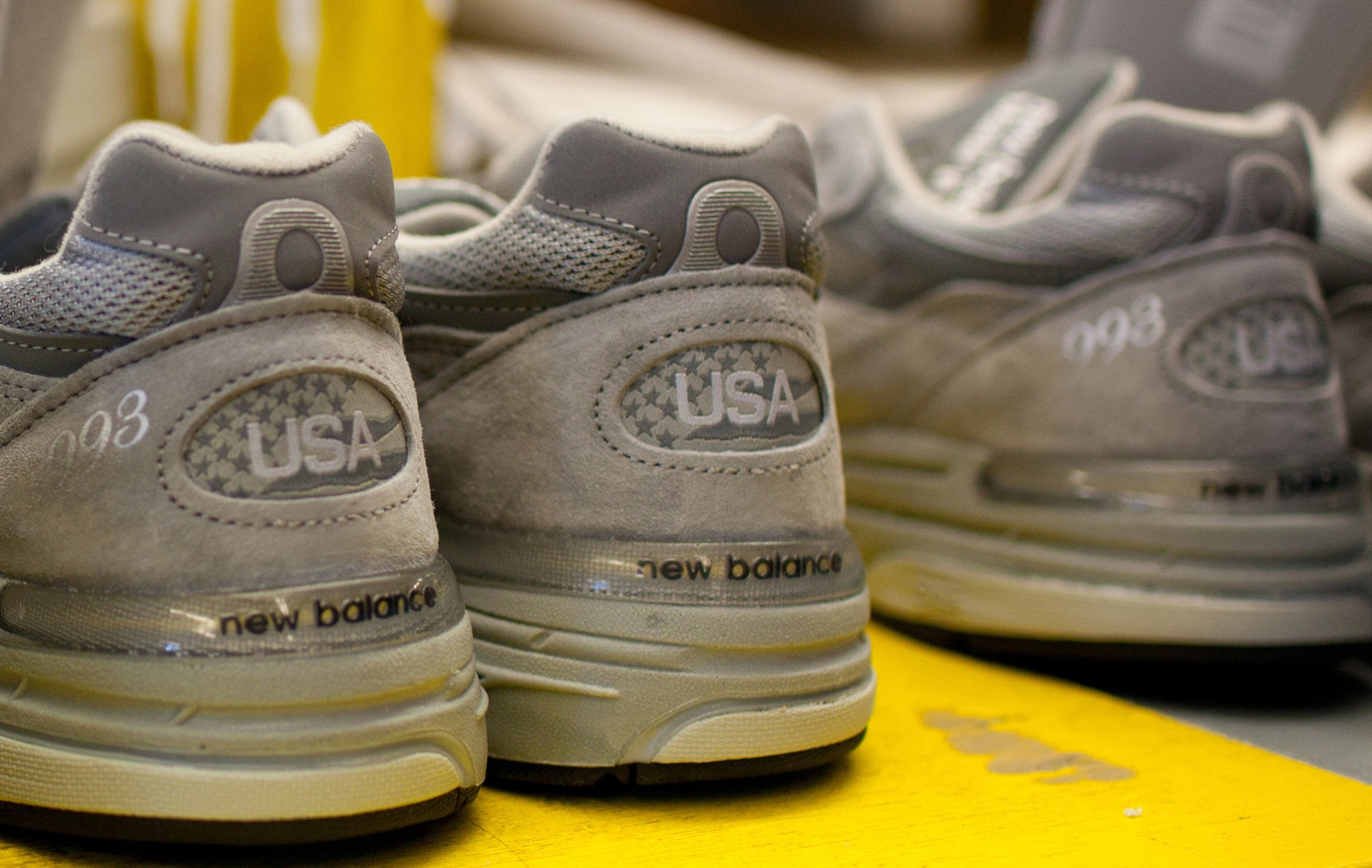
New Balance, fifth in the ranking, appears to have found a middle ground. Unlike Nike and Adidas, it does not rely on aggressive marketing, fleeting trends and turning individuals into sporting icons. Instead, it builds on deep connections with subcultures and the retro appeal of its 'dad shoes,' including the 990, which commands a price of about €230. Collaborations with independent, less ostentatious streetwear designers attract an audience that values authenticity.
Racing in Heels
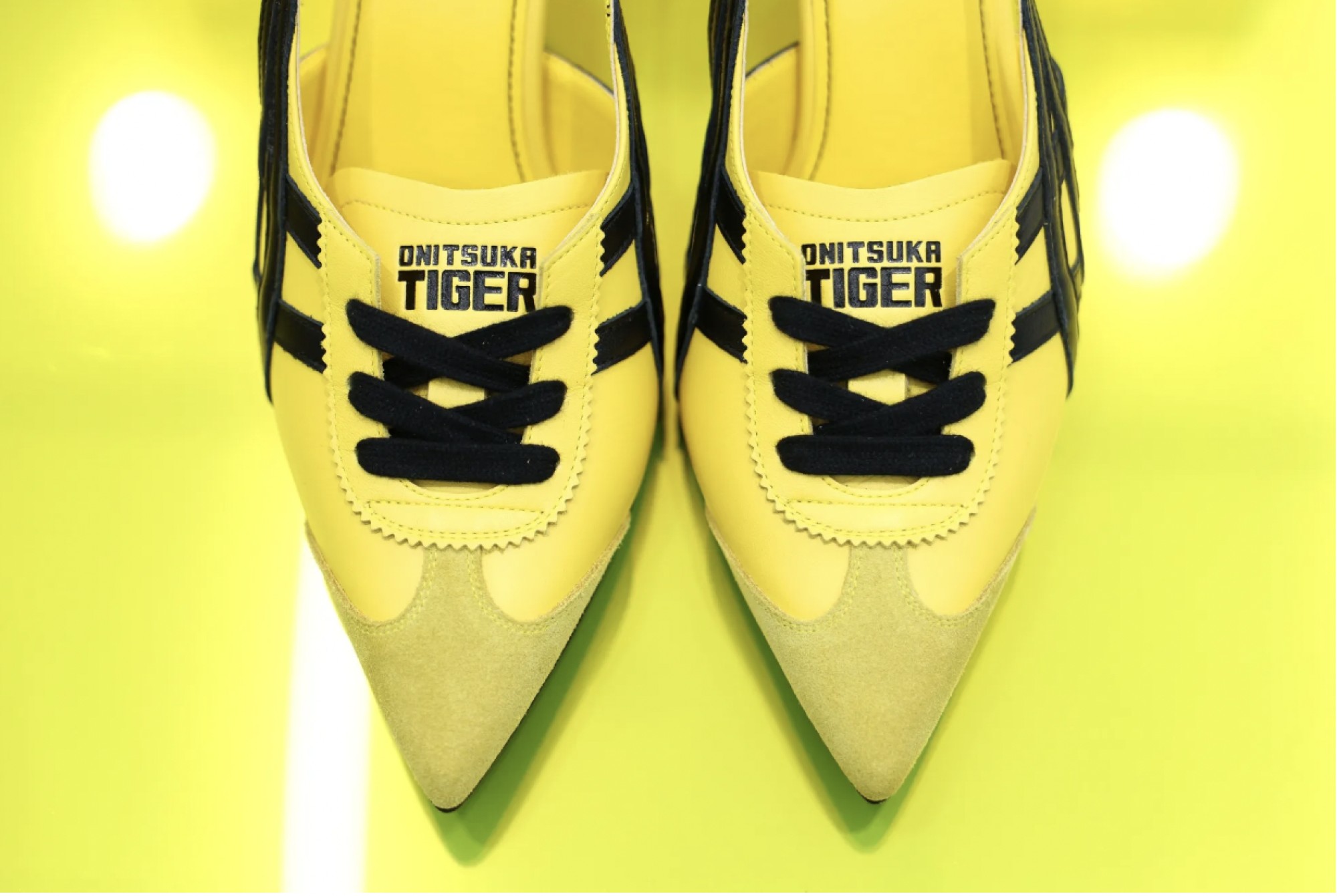
I return to Asics, which has an ace up its sleeve in lifestyle as well. Two months ago, the company announced plans to separate Onitsuka Tiger into a standalone company, OT GROUP, in early 2027. The aim is to give the brand more operational autonomy and faster decision-making; Asics does not currently plan a stock-market listing. The 77-year-old label has enjoyed a strong revival, driven by retro aesthetics and demand for vintage sneakers. Uma Thurman's footwear in Kill Bill helped bring it global recognition. It is now preparing for another phase of international expansion, with stores planned in Los Angeles, Shanghai, Milan and Seoul.
The figures look encouraging too. In the first quarter of this year, net sales rose 34 percent to ¥37.8 billion, or about €210 million. Management's long-term target is annual sales of ¥200 billion, roughly €1.1 billion.
Puma, sixth in the sales ranking, illustrates the same trend from the opposite direction. Asics expanded from science and performance into lifestyle. Puma has historically worked with elite athletes and developed running shoes, but its distinctive style gradually became as important as sporting performance. It now wants to regain ground in performance, this time from a lifestyle position.
New Nitrofoam models, including the €150 Deviate Pure, show how Puma is accelerating its effort to turn that repositioning into tangible products.
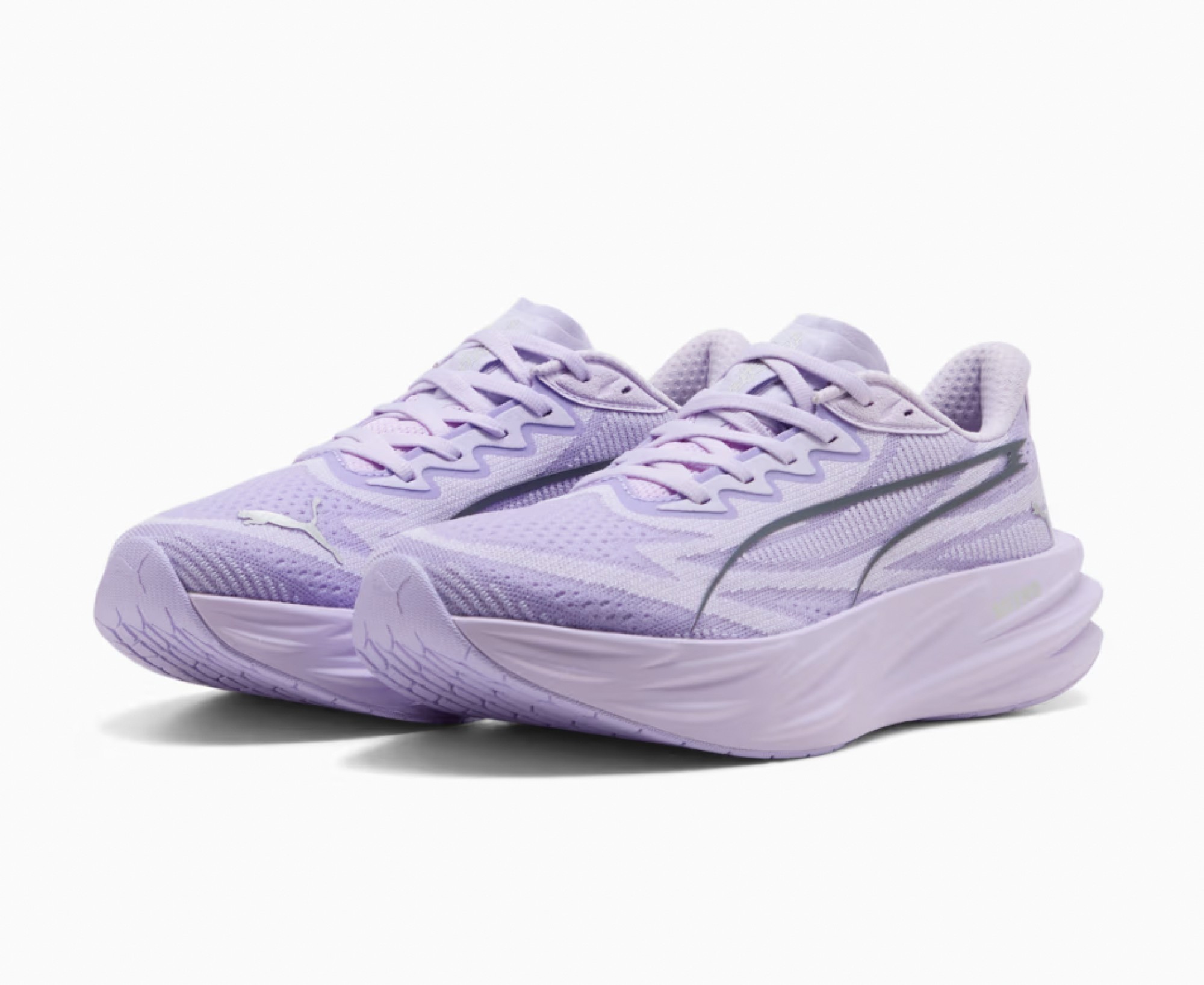
Chief Executive Arthur Hoeld, a former Adidas executive who took over Puma last year, has described 2026 as a transition year. He has reshuffled management, reduced headcount and expressed openness to China's Anta Sports—third in the sales ranking—becoming Puma's largest shareholder. Earlier this year, the French billionaire Pinault family, owners of Kering, sold its 29 percent stake in Puma to Anta Sports to refocus on the recovery of its key brand, Gucci.
Running Is No Longer Just Running
Even brands that do not primarily focus on running are trying to capitalize on its popularity. The line between what people wear during training and throughout the rest of the day is blurring. The rise of running clubs suggests the biggest change may not be visible on a shop shelf. Aleksandra, an economist, says running helped her lose weight and find wonderful friends at the Belgrade Running Club. After training, several trail races and half-marathons, she completed the full 42.195-kilometer distance at the Ljubljana Marathon in 2023. Yumiko, from Japan, joined the Belgrade club intending to stay for just a month. She found friendships that are not always easy to make as a foreigner, decided to stay longer—and ran a half-marathon. Training is no longer necessarily something people do alone. Increasingly, it is an event. For footwear and running-equipment makers and retailers, that has considerable value.
When people run together regularly, recommendations within the group can be much more powerful than conventional advertising. A popular shoe model or clothing label can spread through a community almost organically.
This shift also changes the customer profile. The traditional calculation was simple: choose shoes based on comfort, price and performance. Today, purchasing decisions increasingly involve a much broader set of criteria.
How does the product look in a photograph? Who wears it? Can it be worn after training? How difficult is it to get hold of?
Equipment becomes part of the consumer's personal brand. That is particularly important for younger buyers, for whom sport, style and social life are not always separate categories. For Nike and Adidas, the contest now takes place on two fronts: consumers' money and their attention.
With executives at both companies offering cautious forecasts, that contest will not be easy. In June, Nike's outgoing Chief Financial Officer Matt Friend said the company did not expect the operating environment to improve materially over the following six months. He warned that consumers worldwide were under pressure, with sporting goods particularly affected. The company also flagged a slowdown in the next quarter.
The rivalry between the two giants matters here too. Adidas is trying to take successful performance shoes into the broader lifestyle market, just as it did with the Samba. Nike is betting on sporting performance as its route to recovery, counting on products developed for the track making an easy transition to the street.
The resale market shows just how thin that boundary has become. Adidas's lightweight running shoes change hands for at least twice their retail price.
Ultimately, the question is how big the prize is. The ten leading companies, despite their different strategies, compete for a share of the same consumer budget. Meanwhile, a new generation of brands is trying to change what that budget means. A good pair of shoes used to be enough. Today's consumer wants an entire universe around them: clothing, equipment, a club, an aesthetic and interesting company.
Running is undoubtedly still one of the cheapest ways to take up sport or exercise. But looking as though you truly belong to the club can be another story altogether.
I calculated that a full kit from brands promising advanced performance, including sports sunglasses with prescription lenses, would cost me more than €1,500. And that is before a second set.